In the past, making babies was pretty much a hit-or-miss issue. This is not the case anymore! Parents who have access to the latest testing technology can now predetermine their baby’s sex with great accuracy. In the future, it may be possible to screen kids almost before conception for a wide range of attributes, such as characteristic traits and personality. The term, designer baby, refers to a baby whose genetic makeup has been artificially selected by genetic engineering combined with in vitro fertilisation to ensure the presence or absence of particular genes or characteristics. In the production of designer babies, there are two major concerns: Are the technologies of genetic modification and selection safe enough to be used on humans? Even if the technologies are safe, can they be morally defended?
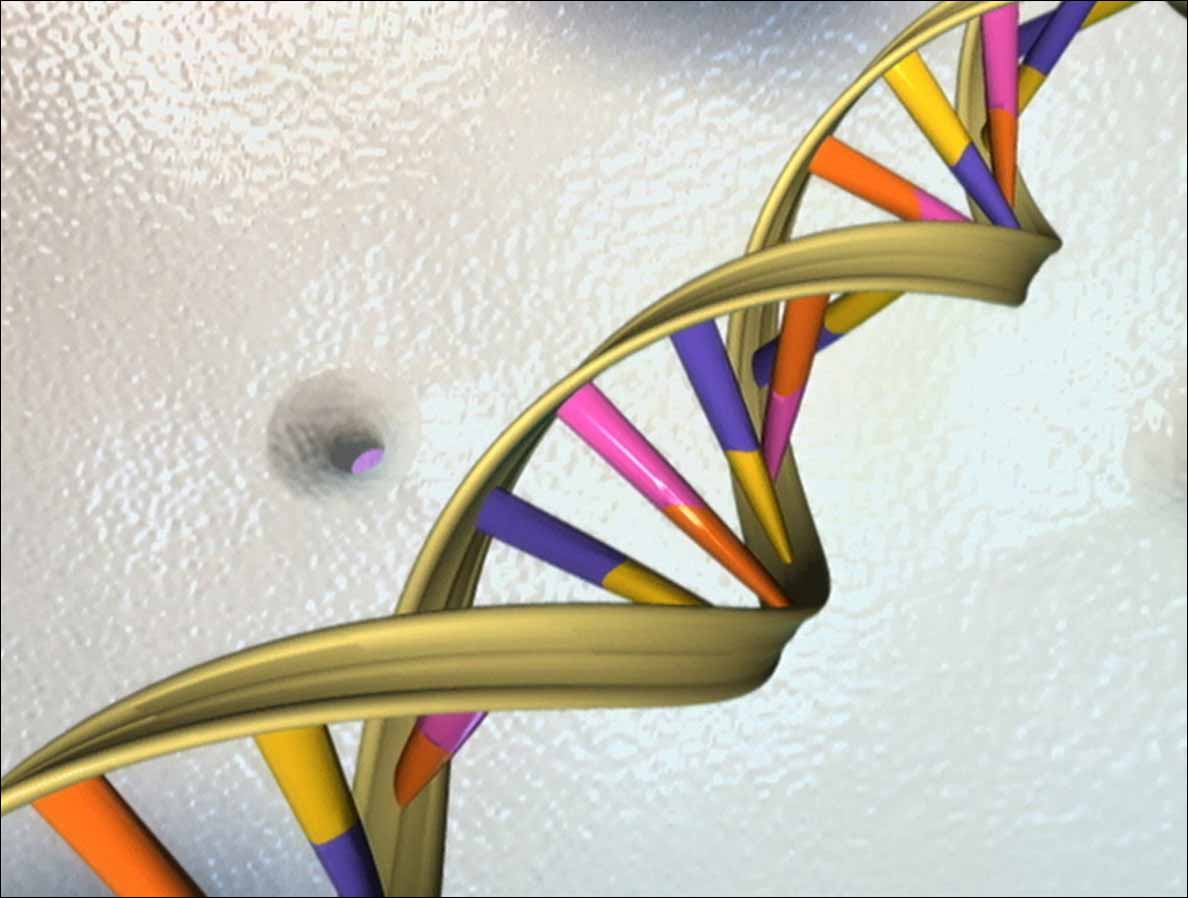 The technology to make designer babies is only at its early stage. Advanced techniques involving in vitro fertilisation (IVF) to fertilise eggs with sperm in test tubes outside the mother's body in a laboratory reduces the chance that a child will be born with a genetic disorder. Presently, it is legally possible to carry out two types of advanced reproductive technologies on humans. The first involves choosing the type of sperm that will fertilise an egg (used to determine the sex and the genes of the baby). The second technique screens embryos for a genetic disease. This is called pre-implantation genetic diagnosis (PGD). Recently, scientists have made advanced research in human genome and in our ability to modify and change genes. In the future, we may be able to cure genetic diseases in embryos by replacing defective sections of DNA with healthy DNA. This is called germ line therapy and is carried out on an egg, sperm or a tiny fertilised embryo. This type of therapy has been successfully tested on animal embryos, but it is currently illegal to perform this function on humans. However, it is legal to modify the faulty genes in the cells of a grown child or an adult to cure diseases like cystic fibrosis. This is called body cell gene therapy. In the realm of science, there is a debate of whether genetic modification poses as a threat to the natural process of life.
This “design-your-own-baby” concept has been receiving objection and disapproval voices under moral and religious grounds. The idea that parents can just weed out undesirable traits and insert the genes they want is obscure. I am imaging more like a shopping centre, where parents are given a list of options with characteristic traits (like hair colour, etc) and TA-DA a baby with the specific features you want. Talk about authortarian parents! It’s the ultimate shopping experience!
A controversy facing the advancement of genetic modification technology is the cost of such procedures and the gap it creates in society. Creating designer babies is simply breeding a race of super humans with genetic enhancements. Assuming genetic enhancement becomes readily available, will it be expensive? Altering embryos is a fairly recent technology and it is still developing. Given the high cost, will the wealthy only be able to afford it? With only the wealthy being able to pay for the modification that will eliminate disease and disabilities for their children, it creates a misperception that they are “better people”. The technology is capable to design inviduals to suit social preferences such as above average intelligence, greater memory and communication skills. Not only is the prospect of future generations of "better people" a psychological concern, but concern also arises from the possibility that such groups of people might become prejudiced against one another due to a feeling of lost commonity. By agreeing to genetic modification, we are simply agreeing to heighten this existing gap between the wealthy and the poor in society.

Lastly, humans have never experienced the effects of genetic alteration. The results could have critical consequences and possibly damage the gene pool. Even if the first generation of deisgner babies remains safe, how would the children of designer babies look like? Would their genes be wrecked?
There is the other side of the debate, which argues that if nobody gets hurt and everyone has access, then genetic modification should be accepted into society. It’s simply a choice factor! If you think women have the right to control their own bodies, then they should be able to make this choice. It’s in the same category as abortion. There should be no law restricting the kind of kids people have. The parents who choose to have genetic modification are for the best interest of their children and create the best possible options for their lives. However, the concept of designer babies almost compels me to think these babies as robots rather than people.
The genetic modification of humans poses an ethical debate about the rights of the baby. On one side of this issue, people argue that the fetus should be free to not be genetically modified. Once the genetic modification of the fetus takes place then the baby is changed forever, what if the baby grows up disliking this decision? The opposing view is that the parents are own the rights to their unborn child, so they should have the option to alter their baby’s genetic code. I personally believe that genetic moderation is only accepted when the baby is genetically disordered or have health problems that were detected prior to his/her birth. I believe that parents should be only allowed preferences about health conditions that may harm the child’s life. It’s almost like dietary choices during pregnancy. There have been scientific discoveries that eating certain food will help nurture the baby’s health. In fact, this is much like the idea of genetic modification for unhealthy babies. In conclusion, I do not encourage designing babies in the sense of altering their genes for the likes of the parents.
Sources:
http://www.bionetonline.org/English/content/db_cont1.htm
http://www.time.com/time/magazine/article/0,9171,989987,00.html
http://en.wikipedia.org/wiki/Designer_baby
http://www.wired.com/wiredscience/2009/03/designerdebate/#ixzz0m9g68BwF
http://www.scientificamerican.com/media/inline/regulate-designer-babies_1.jpg
http://quadri.files.wordpress.com/2008/02/dna.jpg
http://caseclosed2.files.wordpress.com/2009/03/designer_babies.jpg
Blogs Commented On:
http://michael15ansell.blogspot.com/2009/12/designer-babies-are-they-ethical-or.html#comment-form
http://leandromangubatexp.blogspot.com/2010/03/what-is-designer-baby.html